
Speech Language Therapy Materials Companies to Know
Discover leading speech language therapy materials companies, compare their resources, and find the best fit for your caseload. Explore options now.
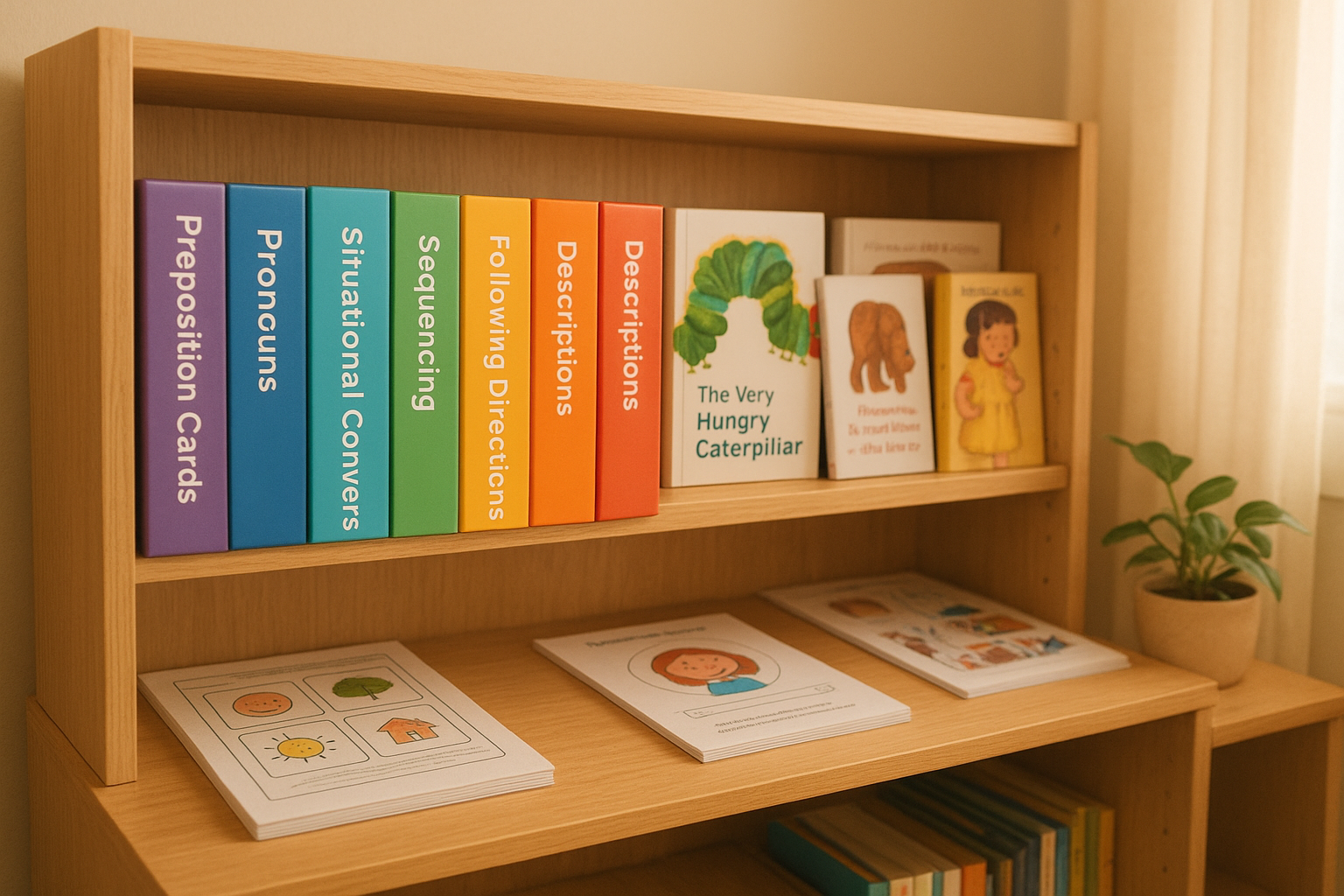
Speech language therapy materials companies design the books, story sets, visual supports, and digital downloads that speech-language pathologists, early childhood educators, and caregivers rely on during therapy sessions, classroom instruction, and home carryover. Because these companies range from large publishing brands to small, practitioner-led shops, choosing the right one can feel overwhelming. This guide breaks down what these companies actually offer, how to evaluate them, and where a resource like Little Speech Corner fits into the picture.
A well-stocked collection of resources from various speech language therapy materials companies.
What Are Speech Language Therapy Materials Companies?
Speech language therapy materials companies are businesses or individual creators, often current or former SLPs, who develop and sell structured resources such as core vocabulary decks, articulation card sets, story-based curricula, and data-tracking tools used in speech and language intervention. Some operate as large publishers with catalogs of hundreds of products. Others are boutique creators selling through marketplaces like Teachers Pay Teachers.
According to the American Speech-Language-Hearing Association, more than 218,000 certified SLPs currently practice in the United States, and a large share work in schools where budget-friendly, ready-to-use materials are in high demand. As a result, the market for downloadable speech therapy resources has grown steadily alongside the profession itself. In addition, the rise of teletherapy has pushed many companies to offer digital, screen-friendly versions of their traditional print materials.
Quick answer: Speech language therapy materials companies create the printable and digital resources SLPs and educators use for goals like core vocabulary, articulation, and social language. Choosing one depends on caseload needs, evidence alignment, and budget.
Why the Right Speech Therapy Resource Provider Matters
Choosing a strong speech therapy resource provider matters because materials shape how consistently a child practices a target skill. For example, a story-based resource that repeats core vocabulary across multiple sessions builds carryover far better than a random worksheet used once. Similarly, well-organized materials reduce prep time, which matters for school-based SLPs juggling large caseloads.
Furthermore, mismatched materials can waste both clinician time and program budget. Therefore, it pays to research a company's teaching philosophy before purchasing a full bundle. Many clinicians also find it helpful to check whether a provider offers resources for related areas, such as supporting speech in autism spectrum disorders, since caseloads rarely focus on a single diagnosis.

Hands-on materials from trusted providers support consistent practice in every session.
Types of Materials These Companies Offer
Speech and language resource creators typically build products around a handful of common categories. Understanding these categories makes comparison shopping much faster.
- Core vocabulary and AAC resources — decks and stories built around high-frequency words used across settings.
- Articulation and phonology materials — targeted card sets and worksheets for specific sound errors.
- Story-based curricula — sequenced books paired with play-based activities for repeated practice.
- Data and planning tools — tracking sheets, calendars, and IEP goal banks.
- Caregiver handouts — tip sheets designed for home carryover and parent training.
Above all, the best companies design materials that connect these categories rather than treating them as separate products. In particular, a story that pairs core vocabulary with a play-based activity gives clinicians more mileage from a single purchase.
How to Evaluate Speech Language Therapy Materials Companies
Once you know what to look for, evaluating speech language therapy materials companies becomes a straightforward, repeatable process. Follow these steps before making a purchase decision.
- Define your caseload needs. List the specific goals you target most often, such as core vocabulary, articulation, or social language, so you can filter companies by relevant specialty.
- Check evidence-based alignment. Review whether the company references established approaches, such as core vocabulary or AAC best practices, and whether creators hold clinical credentials like CCC-SLP.
- Review free samples first. Download a free introductory resource or sample story to evaluate the teaching style, layout, and print quality before committing to a paid bundle.
- Compare pricing and licensing terms. Check whether pricing covers single-classroom use, multiple clinicians, or district-wide licensing, since costs and permitted use vary widely.
- Read reviews from other clinicians. Search for feedback from other SLPs or educators to confirm the materials perform well in real therapy sessions.
Core Vocabulary and Story-Based Resources: A Closer Look
Core vocabulary refers to a small set of high-frequency words, like "go," "more," and "stop," that make up most of everyday communication. Consequently, many speech language therapy materials companies build entire product lines around teaching these words through repeated exposure. Story-based resources are especially effective here because a single story can model the same core word across several pages and play activities.
In addition, embedding core vocabulary into stories helps generalize language skills beyond the therapy room. For instance, a child who practices the word "look" in a story can transfer that same word to a classroom activity or a language-rich home environment. This is one reason story-based curricula have become a preferred format among school-based teams.
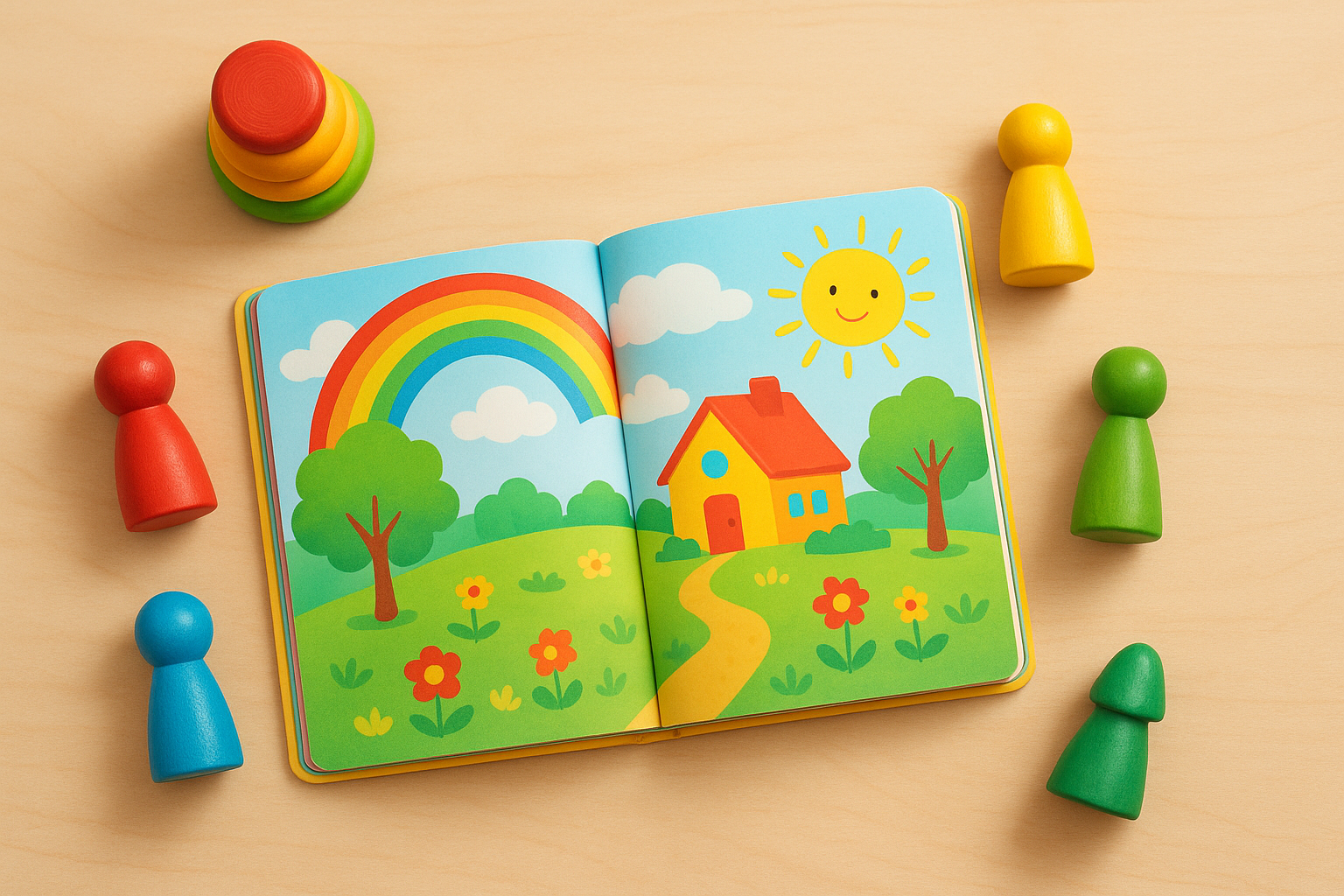
Story-based materials pair core vocabulary with play for stronger carryover.
Little Speech Corner's Approach to Speech Therapy Materials
Little Speech Corner is one example of a practitioner-led speech language therapy materials company built around a specific teaching method. Founded by Gwen Swire, M.A., CCC-SLP, a practicing school-based SLP with more than 20 years of experience, the brand's signature Core Stories use a "Read, Model, Play" approach that pairs a story with modeled core vocabulary and a matching play activity.
The Core Stories Foundational 53-Pack bundles this method into a full-year system, while individual Sound Stories target articulation practice within the same story-based format. Clinicians who want to compare formats can browse the full Little Speech Corner services page or check the Core Stories book resources directly. Families searching for local support can also read this related guide on finding speech therapy near you.
For a broader look at speech and language development milestones, the National Institute on Deafness and Other Communication Disorders offers helpful background information for families and new clinicians alike.
Frequently Asked Questions About Speech Language Therapy Materials Companies
What are speech language therapy materials companies?
Speech language therapy materials companies are businesses or individual creators, often SLPs themselves, who design and sell resources like core vocabulary decks, articulation cards, and story-based curricula for speech and language intervention.
How do I choose the best speech therapy materials company for my caseload?
Start by identifying the goals you target most often, then compare companies based on evidence alignment, sample quality, and pricing. Reading reviews from other SLPs also helps narrow the field quickly.
Why do SLPs buy materials instead of making everything from scratch?
Creating original materials for every goal takes hours most clinicians do not have. Buying pre-made, field-tested resources saves prep time and often improves consistency across sessions.
What is the difference between core vocabulary resources and articulation materials?
Core vocabulary resources target the small set of high-frequency words used across contexts, often supporting AAC users, while articulation materials focus on producing specific speech sounds correctly.
How much do speech therapy materials typically cost?
Digital downloads from independent creators often range from $3 to $30 per resource, while larger bundles or full-year curricula can cost $50 to $150 depending on scope.
Are free speech therapy materials worth using?
Free samples can be a great way to test a company's teaching style before buying, and many quality providers offer free introductory resources. However, they rarely cover a full curriculum on their own.
What common mistake do clinicians make when buying therapy materials?
A common mistake is buying a large bundle before testing a smaller sample, which can lead to mismatched materials for the caseload. Trying a free or low-cost item first reduces this risk.
Do speech language therapy materials companies serve parents too?
Yes, many companies design tip sheets, calendars, and story-based activities specifically for home carryover. Parents and caregivers are increasingly a secondary audience for these resources.
How long does it take to see results from consistent therapy materials use?
Progress varies by child and goal, but many clinicians report noticeable gains in targeted skills within 8 to 12 weeks of consistent, structured practice using the same core materials.
Should school-based SLPs and private-practice SLPs choose different companies?
Not necessarily, but school-based SLPs often prioritize low-prep, no-materials-needed formats for high caseloads, while private practices may invest in more elaborate, session-length resources.
What formats do speech language therapy materials companies typically offer?
Most companies offer printable PDFs, digital interactive slides, and sometimes physical card decks or books. Many now bundle print and digital versions together for flexibility.
Can classroom teachers use materials designed for SLPs?
Yes, many core vocabulary and story-based resources are designed for cross-team use, allowing classroom teachers and paraprofessionals to reinforce the same targets an SLP introduces in sessions.
What should I look for in a story-based speech therapy resource?
Look for a clear teaching sequence, such as a read, model, and play structure, along with embedded core vocabulary and opportunities for repeated practice across multiple sessions.
Final Thoughts
In summary, speech language therapy materials companies range from large publishers to small, practitioner-led shops, and each offers a different mix of core vocabulary tools, articulation resources, and story-based curricula. Therefore, the best choice depends on your caseload, budget, and preferred teaching structure. Whether you sample a free introductory resource or invest in a full bundle, checking evidence alignment and clinician reviews first will help you find a provider, whether that is a large brand or a focused resource like Little Speech Corner, that genuinely fits your practice.